
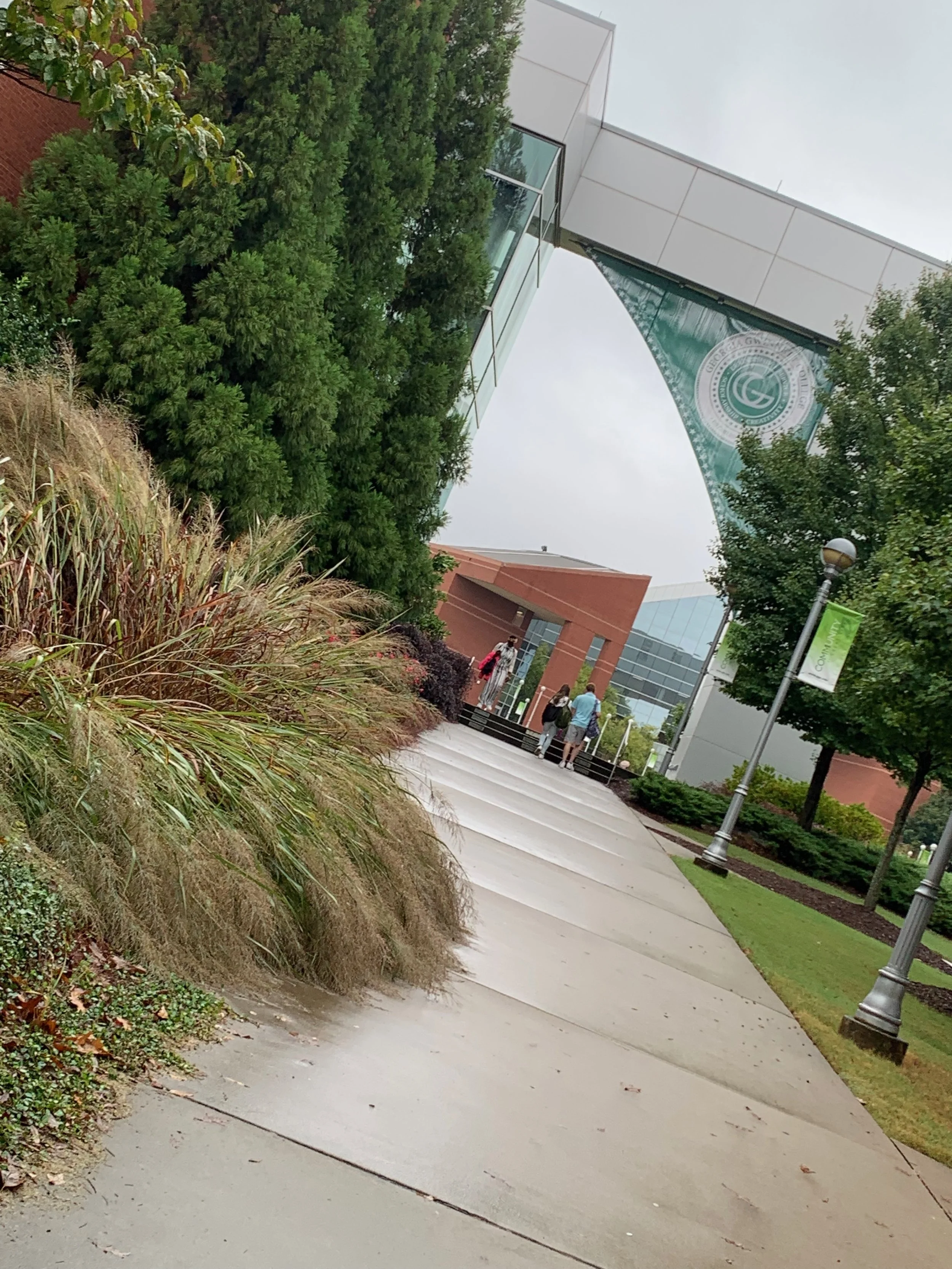
Gwinnett County, Georgia
Georgia’s most diverse suburban area
COUNTY SEAT
Lawrenceville
FOUNDED
1818
POPULATION
~1.0M+
RANK IN GEORGIA
2nd largest
A BRIEF HISTORY
A county built on connection and growth
Gwinnett County was established on December 15, 1818, on land ceded by the Cherokee and Muscogee (Creek) nations, and named for Button Gwinnett, one of Georgia's three signers of the Declaration of Independence. Lawrenceville, incorporated that same month, became the county seat and remains the oldest city in the county.
Cotton farming, supported by enslaved labor, drove the early economy. The Civil War devastated the county's finances even though it saw little direct fighting. Recovery came via the railroad: when the Southern Railroad was built through the county in 1871, it gave rise to Norcross, Duluth, Suwanee, and Buford as new commercial hubs. A leather and tannery industry, anchored by the Bona Allen Tannery in Buford, became the county's first major employer, sustaining thousands of jobs through the Depression.
Suburban growth accelerated dramatically from the 1970s onward as metro Atlanta expanded northeast along I-85, and Gwinnett transformed into one of the fastest-growing — and most internationally diverse — counties in the Southeast.
GROWTH + DEMOGRAPHICS
Still one of the fastest-growing counties in the state
Gwinnett is consistently cited as one of the most ethnically diverse counties in the Southeast, with sizable Hispanic, Asian, and Black communities alongside a longstanding white population — a mix visible in its restaurants, faith communities, and small businesses along Buford Highway and Jimmy Carter Boulevard.
Gwinnett County | Vibrantly Connected
WHY LIVE IN GWINNETT
Top-rated schools
Gwinnett County Public Schools is one of the largest districts in the nation, with strong STEM and magnet programs.
One of the most internationally diverse corridors in the Southeast, especially along Buford Highway.
Easy interstate access
I-85 and I-985 connect residents to downtown Atlanta and north Georgia in under 40 minutes.
Culture & cuisine
Shopping & entertainment
Home to the Mall of Georgia — the state's largest — plus the Hudgens Center for the Arts and Coolray Field.
Lake & outdoor access
Lake Lanier, the Chattahoochee River, and dozens of county parks give residents year-round recreation.
New-construction inventory
Home to the Mall of Georgia — the state's largest — plus the Hudgens Center for the Arts and Coolray Field.
Gwinnett County Cities
16 Cities, One County
REAL ESTATE FACTS & TRENDS
Broad price range
From affordable starter homes near Snellville and Lilburn to new construction in Suwanee, Buford, and Peachtree Corners.
Where the market stands today
Consistently strong demand
Proximity to Atlanta, top school zones, and lake access keep Gwinnett one of the metro's most active markets.
Active new-construction pipeline
Northern cities continue active homebuilding, giving buyers more new-build inventory than built-out counties.
Want today's numbers?
Median price, days on market, and inventory shift month to month. Reach out any time for a current snapshot for the specific city or zip code you're considering.
Sources: U.S. Census Bureau, Gwinnett County Government, New Georgia Encyclopedia, Wikipedia, and Redfin housing market data. Figures reflect the most recent estimates available and may shift as new data is released.